Trapping in Tennessee

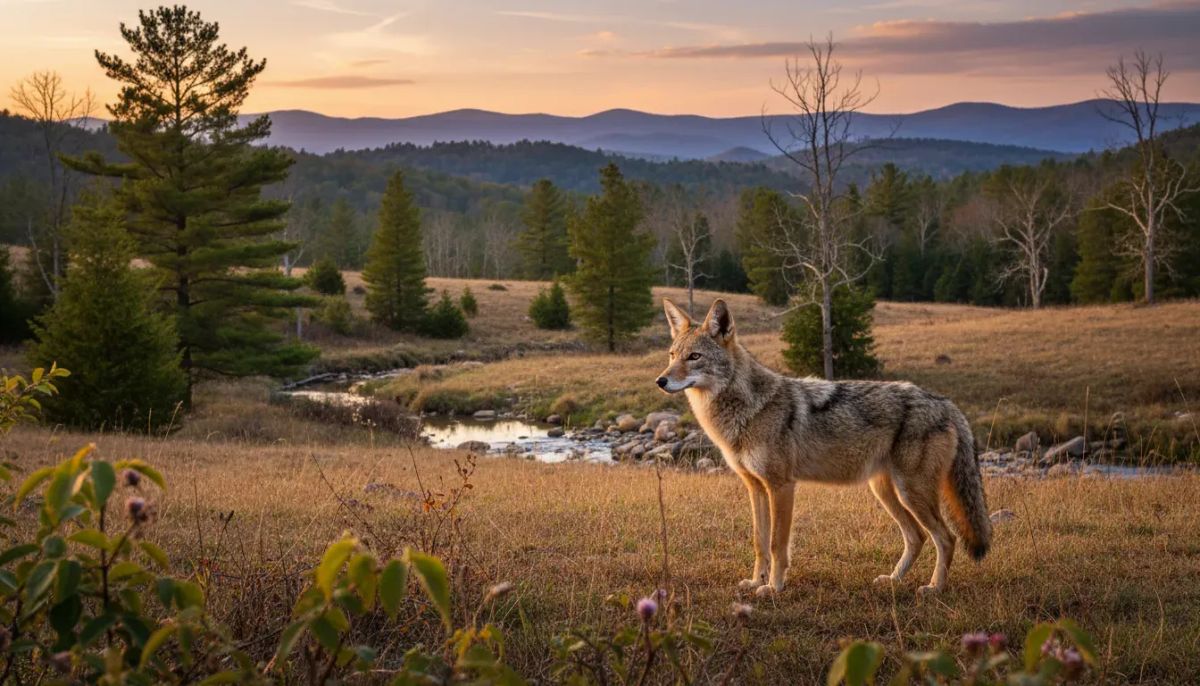
Fur trapping in Tennessee carries a long-standing tradition tied to self-reliance, woodsmanship, and a deep respect for the land. Across the state, trappers work creeks, river bottoms, farmland edges, and timber stands in pursuit of raccoon, bobcat, coyote, muskrat, and beaver. But in the eastern part of the state, where the Appalachian Mountains rise steep and wild, trapping becomes something altogether different. It’s no longer just a seasonal pursuit—it’s a test of endurance, judgment, and grit.
There’s a certain draw to the mountains that keeps trappers coming back. The country feels less pressured, less predictable, and more honest. Animals here tend to be wary and well-traveled, shaped by tougher conditions and fewer human encounters. Fur quality often reflects that hardship, with thick, prime pelts that come from animals built to survive colder temperatures and rough terrain. For many, the chance at a heavy raccoon or a big tom bobcat in that kind of country is reason enough to lace up their boots and start climbing.
But the mountains don’t give anything away easily. Every step reminds you that you’re working against the land as much as with it. Steep ridges, deep hollows, and side slopes covered in loose rock and slick leaves turn even a short line into a physical grind. Carrying traps, tools, bait, and steel into the woods is one thing—hauling an animal back out adds a whole new layer to the effort. A single catch can feel twice as heavy when you’re climbing elevation, picking your way through uneven ground, and trying to keep your footing under a loaded pack.
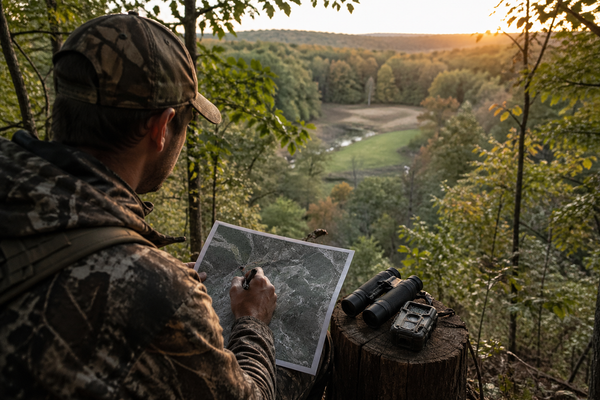
Access alone can shape how a trapper approaches the mountains. Unlike flat ground where you might drive from set to set, many mountain lines begin at a gate or pull-off and continue on foot for long stretches. Time becomes a constant pressure, especially when trap check requirements are in play. What looks manageable on a map can quickly turn into hours of hiking, forcing trappers to be more selective, more efficient, and more disciplined in how they lay out their line.
Weather only adds to the challenge. In the mountains, conditions can shift quickly and hit harder than expected. Cold settles in early and lingers, freezing traps solid overnight and turning well-made sets into useless pieces of iron by morning. Snow and ice can block access entirely or make already dangerous footing worse. Rain has its own way of undoing hard work, washing out dirt holes, flooding low areas, and leaving traps exposed or inoperable. Keeping a line functioning through these swings requires constant adjustment and a willingness to rebuild again and again.
Even the ground itself works against you. Mountain soil is often thin, rocky, and tangled with roots, making it difficult to bed traps solidly or drive stakes where you want them. What would take minutes in soft ground can turn into a frustrating chore, forcing trappers to adapt with different anchoring methods or spend extra time just finding a workable spot. There’s no rushing through it—everything takes longer, and shortcuts usually cost you in the end.
Sign can be just as challenging to read. Leaves blanket the forest floor, hiding tracks and muting the kind of detail trappers rely on elsewhere. Wind and rain erase what little evidence appears, and animals don’t always follow the obvious paths. Success comes from learning how the land itself funnels movement—how ridgelines narrow into saddles, how benches wrap around slopes, how old logging roads and faint trails become travel corridors. In the mountains, you’re not just following tracks; you’re reading terrain and trusting your understanding of how animals move through it.
All of this demands a different level of mental toughness. There are days when the line feels long and unproductive, when every set comes up empty and every step back to the truck feels heavier than the last. It’s easy to second-guess your locations, your sets, even your decision to be out there at all. But those same mountains have a way of paying you back when you stick with them. A well-placed set finally connects, and suddenly the miles, the climbs, and the setbacks feel justified. A big bobcat waiting at the end of a ridge or a heavy coon pulled from a cold creek crossing has a way of reminding you why you came in the first place.
In the end, trapping the mountains of Tennessee isn’t about ease or efficiency. It’s about challenge, tradition, and the satisfaction that comes from doing something the hard way and seeing it through. The terrain demands more, the conditions test you, and the results are never guaranteed. But for those willing to put in the work, the experience offers something deeper than a full stretcher or a good fur check. It offers a connection to the land and to a way of life that hasn’t been softened by convenience—and that’s something the mountains will always hold onto.
Shon Ingram is a Tennessee-based trapper and outdoorsman who shares practical, real-world knowledge on hunting, trapping, and fur handling. He is the creator of HuntTrapTN, where he focuses on keeping traditional skills alive. Learn more at HuntTrapTN.com.